
-
Analysis – SOUTH CAUCASIAN FACTOR IN RUSSIA’S SECURITY OF GAS DEMAND
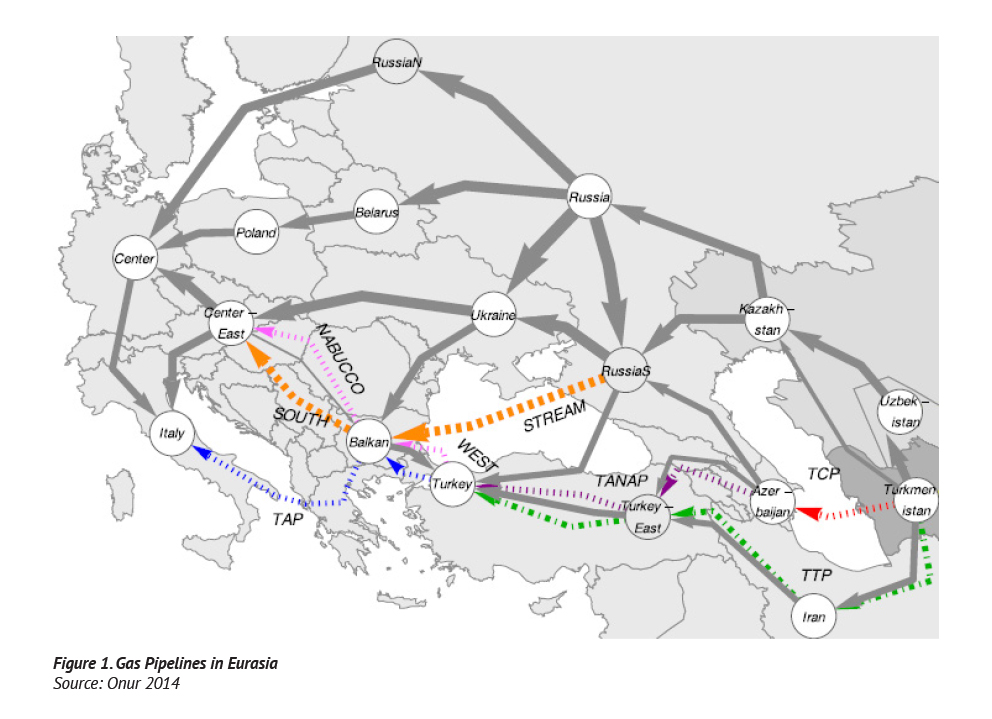
by Konstantin Golub Russia is one of the leaders in the world energy trade and exports almost half of the primary energy produced. Natural gas plays significant role in those exports. Russia is encountering new challenges in the European gas market, which is the central in Russia’s natural gas exports. The challenges can broadly be characterised…
-
Viewpoint: IMF Distorts Energy Subsidy Facts to Vilify the Fossil Fuel Sector
by Jerry Byers The International Monetary Fund is muddying the already cloudy waters on how the world should address energy development and trade. The original report, released in May of this year, would have the casual observer believing that governments are using tax dollars to fund the energy industry to the tune of over 5…
-
ENERPO Workshop Series: Maxim Titov on Russia’s Energy Efficiency
By Michael Carmada ENERPO hosted its sixth and final workshop series of the year 2015 with Maxim Titov of the Energy Efficiency Finance Program of the International Finance Corporation of the World Bank Group. Titov’s presentation was a first for ENERPO as it addressed the very important, but somewhat ignored topic of energy efficiency and…
-
Rethinking ASEAN Gasification
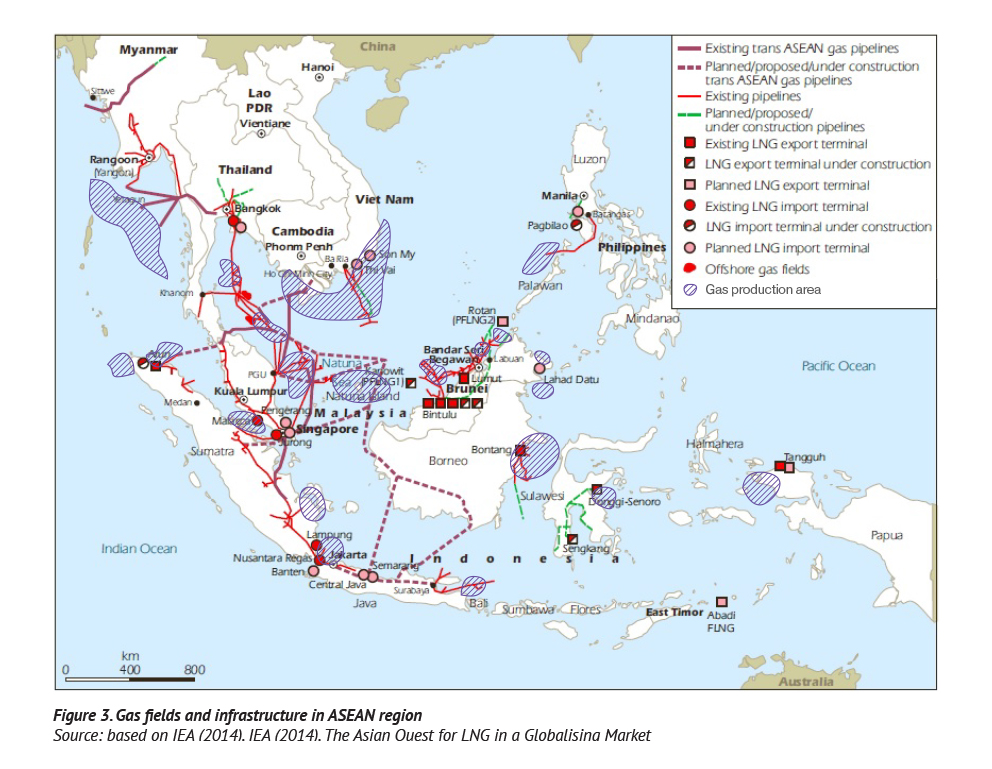
This article discusses the complexities of trying to apply foreign gas hub models to developing countries and regions. The challenges of implementing a regional gas strategy amongst the ASEAN members regarding the Trans ASEAN Gas Pipeline are reviewed and alternative energy cooperation models are presented.
-
Energy News Blog – World Energy Outlook – 2015: Answers for Students and Some Questions in Return
by Irina Mironova Global energy is constantly changing. Demand is driven by economic development, demographic growth as well as efficiency of energy use. Supply, in its turn, is affected by the development of technology, which drives down costs and makes new groups of sources available and economically viable. As a result, we witness changes in…
-
Energy News Blog – Russia and the New Geopolitics of Oil
By Irina Mironova, Aaron Wood (This text was written for Russia Direct) The changing structure of the global oil trade – which includes new roles for Russia and Saudi Arabia and the rise of non-state actors such as ISIS – has important implications for Russia’s energy industry. Russia’s top energy companies, already grappling with the…
-
Energy News Blog – Challenges Facing OPEC Members in Light of Lower Oil Prices
by Lina Nagell The Technical meeting between oil experts from OPEC members and 8 non-member oil producer states on Wednesday, 21st of October, did not reach an agreement to cut production. This comes as no surprise, taking into account that participants were in fact unable to agree on joint press releases at their two last…
-
The Week in Review (October 12 – 17)
The Monitoring Team: Jason Corbin, Henrik Vorloeper ISIS is still making money out of oil sales The ISIS regime and its infrastructure has been a target of Western and now Russian airstrikes, but yet ISIS still produces about 34,000-40,000 barrels per day, sold for USD 20 to USD 40 per barrel, which brings the militants…
-
Energy News Blog
Natural Gas Supply in Europe, A Case Study of Poland by Pierre Jouvellier In the ENERPO Newsletter from September 25, 2015, Lina Nagell and Henrik Vorloeper reported on the progress of the new LNG terminal in Poland: “The LNG terminal at Swinoujscie is likely to reach full capacity in 2018. Jan Chadam, head of state-owned Polskie LNG,…
SEARCH
BY MONTH
- March 2024
- December 2023
- November 2023
- June 2023
- March 2023
- July 2022
- June 2022
- January 2022
- July 2021
- November 2020
- October 2020
- October 2019
- April 2019
- March 2019
- November 2018
- December 2017
- November 2017
- September 2017
- July 2017
- June 2017
- May 2017
- April 2017
- March 2017
- February 2017
- December 2016
- November 2016
- October 2016
- September 2016
- June 2016
- May 2016
- April 2016
- March 2016
- February 2016
- January 2016
- December 2015
- October 2015
- September 2015
- April 2015
- January 2015
- November 2014
- October 2014
- September 2014
- May 2014
- April 2014
- March 2014
- February 2014
- December 2013
- November 2013
- October 2013
- May 2013
- April 2013
- March 2013
Tags
Africa arctic BRICS China Climate Change Coal DAPL electricity energy policy energy security Eni environment EU export Fracking gas Gas Hubs Gas Pipelines Gazprom IEA India Iran LNG natgas Nigeria Nordstream Nuclear Oil Oil and Natural Gas Markets OPEC Pipelines Poland Renewables RES Rosneft Russia Sanctions Saudi Arabia shale Shell Total Turkey U.S. Ukraine UNFCCC